

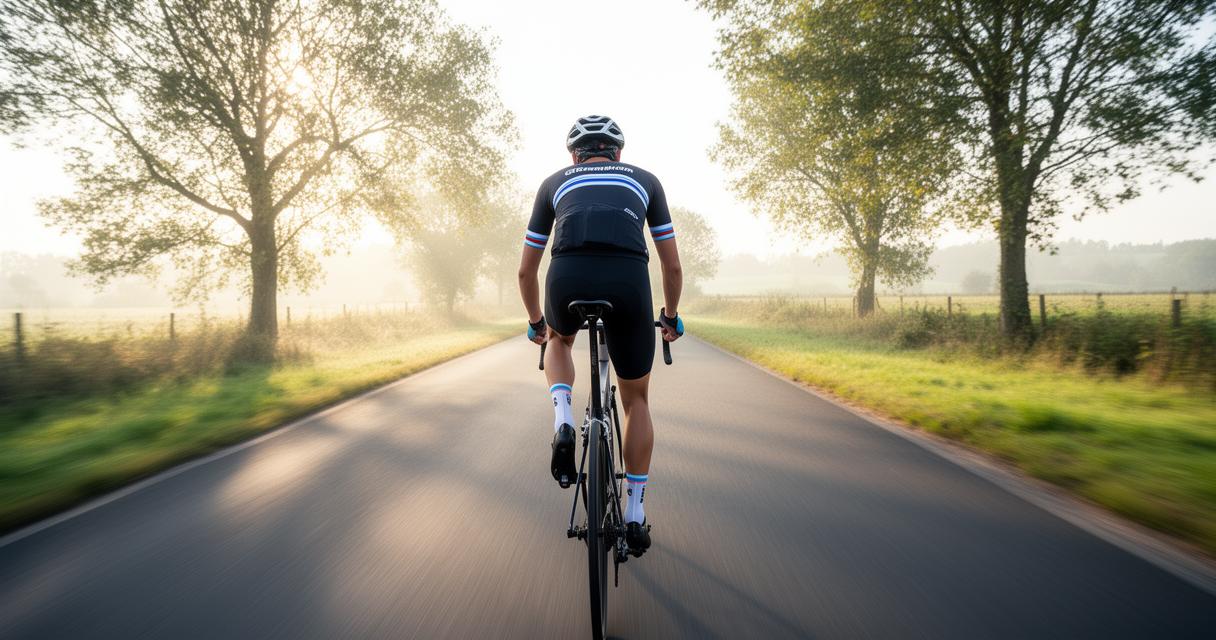
Every cyclist, whether pedalling through city streets or exploring challenging trails, has wondered about their pace and how they compare to others. Understanding the average time it takes to cycle one kilometre is not merely about satisfying curiosity; it serves as a practical tool for optimising training routines, planning journeys, and setting realistic fitness goals. This knowledge allows riders to gauge their progress, adjust their expectations, and refine their approach to cycling, ensuring that every ride contributes meaningfully to their overall development.
Key factors influencing your cycling speed per kilometre
Cycling speed is far from a simple equation. Numerous variables interact to determine how quickly a rider can cover a single kilometre, and recognising these factors is essential for anyone looking to improve their performance. The interplay between the bicycle itself, the rider's physical condition, and the environment through which they travel all contribute to the final result. By understanding these elements, cyclists can make informed decisions about their equipment, training, and route selection.
The Impact of Bicycle Type on Your Average Kilometre Time
The type of bicycle you choose has a profound influence on your speed. Road bikes, designed with lightweight frames and narrow tyres, are built for efficiency and velocity on smooth surfaces. A proficient cyclist on a road bike can typically cover one kilometre in about two to three minutes, thanks to the machine's aerodynamic design and minimal rolling resistance. In contrast, mountain bikes, equipped with wider tyres and robust suspension systems, are engineered for rugged terrain. These features, while essential for off-road stability and control, create additional drag and slow the rider down on flat ground. Consequently, mountain bike riders often require a bit more time to complete the same distance, especially when compared to their road-cycling counterparts.
Electric bikes introduce another dimension to this discussion. With motorised assistance, these bicycles enable riders to maintain higher speeds with less physical effort. Depending on the power settings and the level of assistance selected, cyclists using electric bikes can cover a kilometre in a shorter time than they might on a traditional bicycle. This technology is particularly beneficial for those returning to fitness, commuting longer distances, or simply seeking a less strenuous ride without sacrificing journey time.
How fitness level and terrain affect your cycling pace
A cyclist's fitness level is perhaps the most significant determinant of speed. Cardiovascular fitness, muscular endurance, and overall conditioning dictate how efficiently the body can sustain effort over distance. Riders with higher fitness levels can maintain faster paces for longer periods, while those newer to cycling or with less developed aerobic capacity will naturally take more time to cover the same ground. This variance is reflected in performance categories ranging from beginner to elite, with each level representing a distinct threshold of capability.
Terrain also plays a critical role. Flat, well-paved roads allow for faster speeds and more predictable times, while hills, rough surfaces, and winding paths demand greater effort and slow progress. Climbing steep gradients requires significant power output, which can drastically increase the time needed to cover a kilometre. Conversely, descending offers opportunities to gain speed, though safety and control must always take precedence. The combination of these factors means that no two rides are identical, and cyclists must adapt their expectations and strategies accordingly.
Comparing performance across different cycling categories
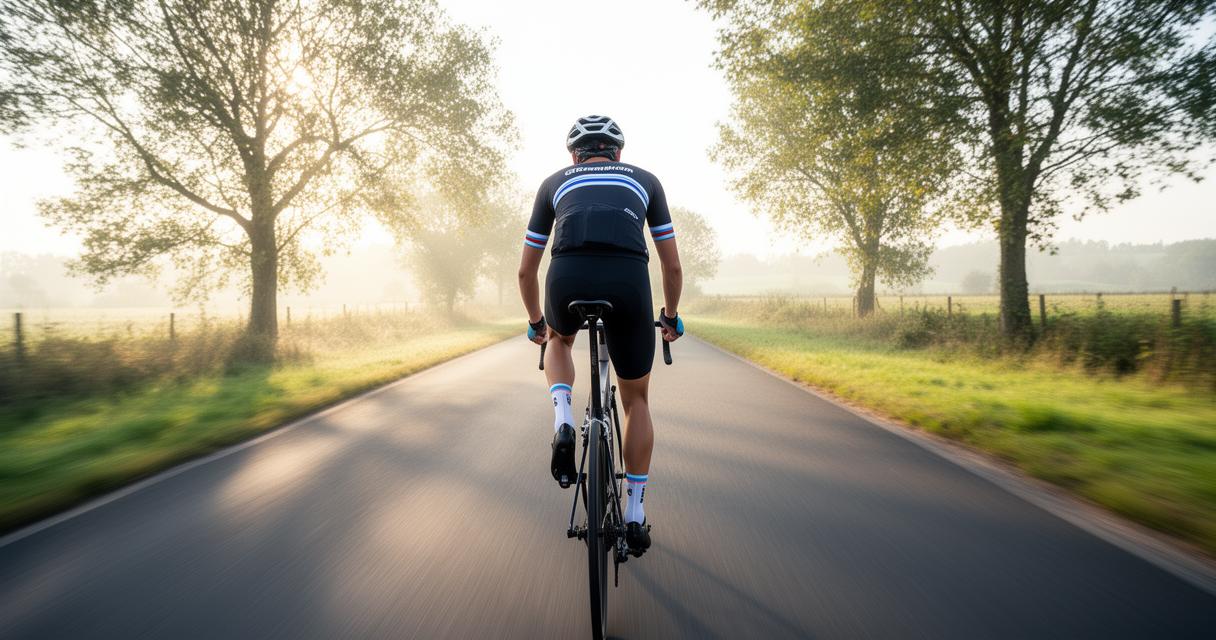
To better understand what constitutes a good cycling time, it is helpful to examine performance across various categories. These classifications, which take into account age groups, ability levels, and gender differences, provide benchmarks that cyclists can use to assess their own progress. By comparing oneself to these standards, riders gain insight into where they stand and what improvements might be achievable with focused training.
Road bikes versus mountain bikes: speed expectations
When comparing road bikes to mountain bikes, the differences in speed become immediately apparent. On average, a good one-kilometre cycling time for all ages and genders is approximately one minute and forty-six seconds. For men, this figure tends to be around one minute and forty-one seconds, while for women, it is closer to two minutes and two seconds. These averages reflect the performance of riders on road bikes under typical conditions. However, when switching to a mountain bike, these times may extend due to the additional resistance and weight of the equipment. Understanding these distinctions helps cyclists set realistic goals based on the type of riding they prefer and the equipment they use.
Electric Bike Assistance and Its Effect on Journey Times
Electric bikes offer a unique blend of traditional cycling and motorised support, which can significantly alter journey times. Riders who use electric assistance can maintain higher average speeds with less exertion, effectively reducing the time required to cycle one kilometre. This can be particularly advantageous in urban settings, where frequent stops and starts might otherwise slow progress. The level of assistance can be adjusted to match the rider's fitness goals, allowing for a customisable experience that balances effort and efficiency. For those aiming to improve cardiovascular fitness, moderate assistance can provide a gentlepost-workout recovery or a confidence boost, while more experienced riders might use minimal support to challenge themselves further.
Practical considerations for planning your cycling routes
Beyond personal performance, understanding average cycling times is invaluable for practical route planning. Whether commuting to work, embarking on a leisurely tour, or training for a competitive event, knowing how long it will take to cover certain distances allows for better time management and more enjoyable rides. This foresight helps cyclists avoid the frustration of underestimating journey durations and ensures that they arrive at their destinations on schedule.
Urban cycling challenges: traffic and time estimates
Cycling in urban environments introduces a host of additional challenges that can affect average times. Traffic congestion, frequent traffic lights, pedestrian crossings, and narrow lanes all contribute to slower overall speeds. Even a rider with excellent fitness and a fast road bike may find their pace significantly reduced by the stop-and-go nature of city travel. Therefore, when estimating journey times in urban areas, it is wise to account for these delays. A kilometre that might take two minutes on an open road could extend to three or four minutes in a busy city centre. Planning for these variations ensures that cyclists are not caught off guard and can allocate sufficient time for their trips.
Calculating Total Journey Duration for Tours and Commutes
For longer rides, such as tours or extended commutes, calculating total journey duration requires a comprehensive approach. By estimating the average time per kilometre based on the factors discussed, cyclists can project the total time needed for their entire route. This calculation should take into account the type of bike, the rider's fitness level, the terrain, and any potential urban obstacles. For example, a moderately fit cyclist on a road bike covering a twenty-kilometre commute on mostly flat roads might expect to spend between forty and sixty minutes, factoring in brief stops and traffic. Conversely, a mountain bike tour over hilly terrain could require significantly more time. By preparing these estimates in advance, cyclists can plan rest breaks, pack appropriate supplies, and communicate realistic arrival times to others.