

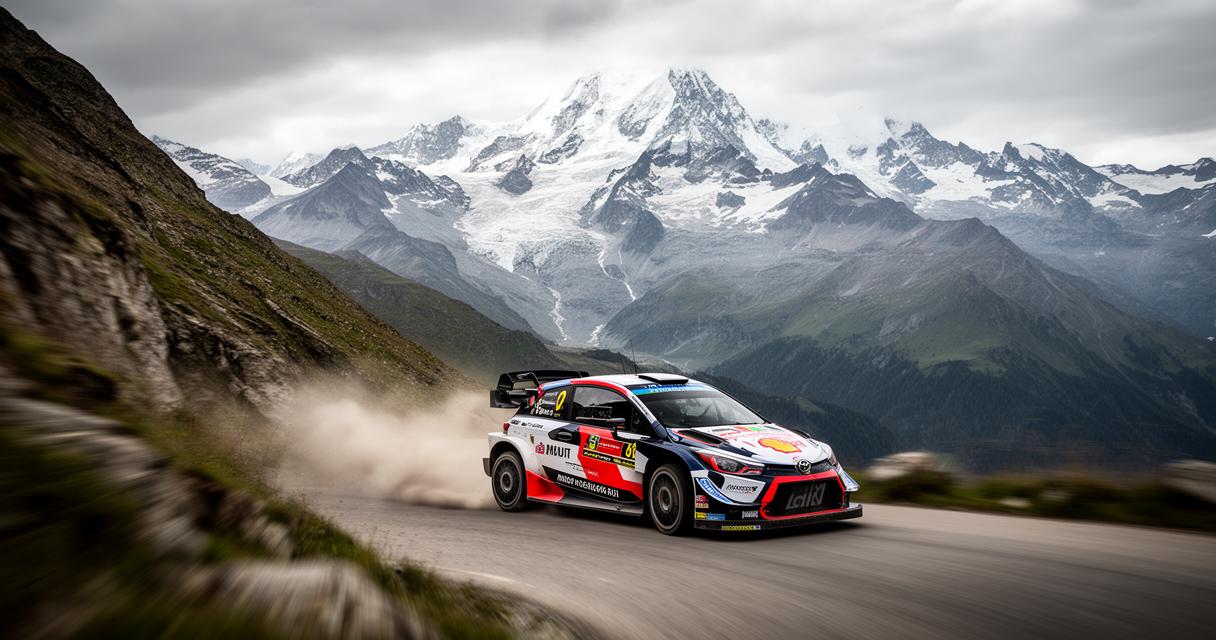
The French Alps provided a dramatic stage for the 2011 Mont-Blanc Rally, where the roar of engines echoed through mountain passes and the distinctive white peaks framed some of the most exhilarating moments in motorsport. For photographers drawn to the raw energy of rally racing, this event offered a masterclass in capturing speed, precision, and the unique atmosphere of a historic competition. From the narrow roads winding near Morzine to the sight of Peugeot and Citroen machines tackling hairpin bends, every corner presented an opportunity to freeze a fleeting moment of automotive artistry against a backdrop that could rival any postcard.
Capturing the Essence of Rally Photography in the French Alps
Rally photography demands a blend of technical skill and instinctive timing, especially in an environment as visually rich as the Mont-Blanc Rally. The French Alps, with their sweeping vistas and challenging terrain, create conditions that are both inspiring and demanding for anyone wielding a camera. The interplay of light on snow-capped peaks, the dust kicked up by tyres gripping gravel, and the intense focus of drivers navigating tight mountain routes all contribute to imagery that tells a story beyond the race itself. Understanding how to balance these elements is crucial for anyone serious about motorsport photography.
Essential Kit and Camera Settings for High-Speed Motorsport
Choosing the right equipment is the foundation of successful rally photography. A camera body capable of shooting at high frame rates is indispensable when the subject is a rally car hurtling past at speed. Professional motorsport photographers often favour DSLRs or mirrorless systems with robust autofocus capabilities, paired with telephoto lenses that can isolate the action from considerable distances. A lens in the range of 70 to 200 millimetres offers flexibility for varying distances, while a wider aperture allows for faster shutter speeds, essential for freezing motion without sacrificing image quality. Shutter speeds of at least one thousandth of a second are typically required to halt the blur of a car in full flight, though adjusting this for creative panning effects can yield dynamic results. ISO settings must be managed carefully, balancing the need for speed with the desire to avoid excessive noise, particularly in the variable light conditions of mountain weather. A sturdy tripod or monopod can provide stability, especially when working with heavier lenses, though many photographers prefer the freedom of handheld shooting to react quickly to unfolding drama.
Mastering panning techniques on mountain routes near morzine
Panning is an art form that transforms static images into visual narratives of motion and speed. The technique involves tracking the moving subject with the camera while using a slower shutter speed, typically around one sixtieth to one hundred and twenty-fifth of a second, to blur the background while keeping the car relatively sharp. This approach conveys the sensation of velocity in a way that a fully frozen image cannot. On the winding roads near Morzine, where the rally cars carved through corners with precision, panning required not only steady hands but also an intuitive sense of timing. The challenge lies in anticipating the trajectory of the vehicle, pre-focusing on a chosen spot, and smoothly following the car as it enters the frame. The result, when executed well, is a striking image where the car appears to leap from the frame, surrounded by streaks of motion that suggest the landscape blurring past. This technique is particularly effective when capturing the dynamic performances of teams like Peugeot and Citroen, whose machines were engineered for the kind of agility that makes for compelling visual storytelling.
Strategic Positioning and Timing: Where to Shoot the Mont-Blanc Rally
Location scouting is as critical to rally photography as the camera itself. The Mont-Blanc Rally, with its diverse stages and breathtaking scenery, offered numerous vantage points, each with unique advantages. Success hinges on understanding the rhythm of the event, the layout of the stages, and the natural features that can enhance a photograph. Choosing the right spot means balancing accessibility, safety, and the potential for arresting imagery, all while respecting the boundaries set by event organisers.
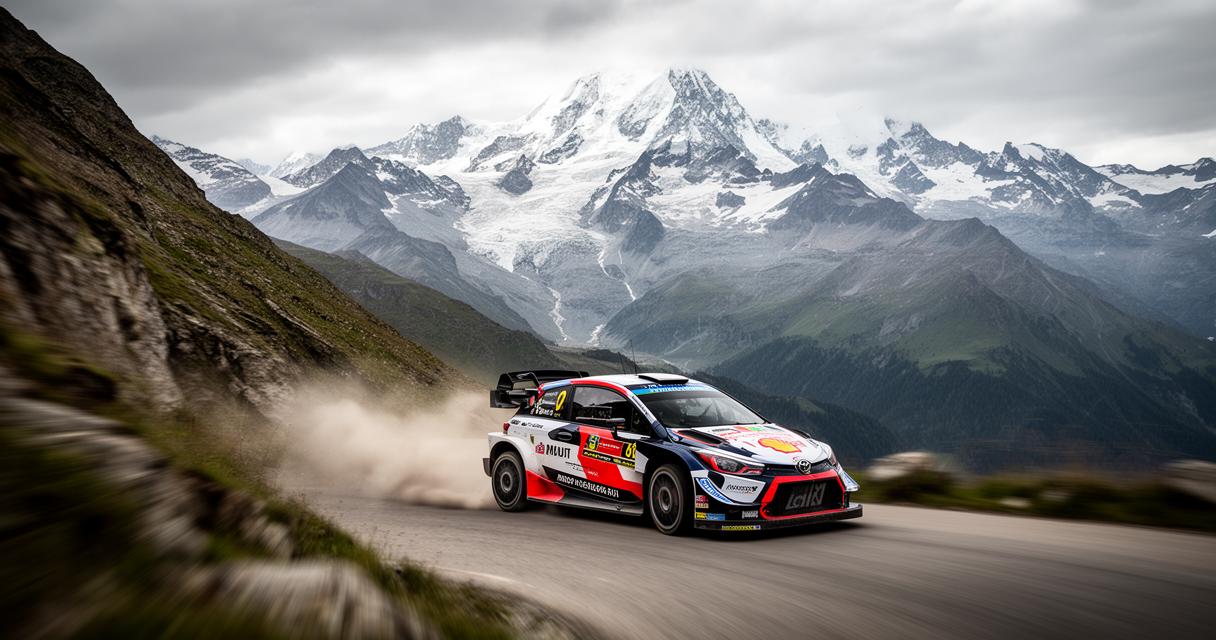
Scouting prime locations with stunning white mountain backdrops
The iconic white mountains that give the Mont-Blanc Rally its name are more than just scenery; they are a defining element of the visual narrative. Identifying locations where these peaks form a dramatic backdrop requires advance reconnaissance, ideally on foot, to assess angles and lighting throughout the day. Corners where cars are forced to slow down offer opportunities to capture detail, while straights where vehicles reach maximum speed can deliver images of raw power. Elevated positions, such as hillsides overlooking the route, provide sweeping perspectives that contextualise the rally within its alpine environment. However, these spots can become crowded, so arriving early to secure a favourable position is advisable. Photographers should also consider the direction of sunlight, as backlighting can create silhouettes that emphasise shape and movement, while front lighting reveals the vivid colours of the cars and the textures of the landscape. The ever-changing weather in the mountains adds an unpredictable element, with mist and clouds capable of transforming a scene within minutes, demanding adaptability and quick decision-making.
Anticipating the Action: Photographing Peugeot, Citroen, and VHC Category Stars
Understanding the event schedule and the characteristics of different competitors is vital for anticipating key moments. The 2011 Mont-Blanc Rally featured a mix of modern machinery and historic vehicles, with the VHC category drawing particular admiration for its collection of classic rally cars. Drivers like Kevin and Jean, representing top teams, brought skill and determination that translated into thrilling on-track action. Knowing when and where these competitors would pass allowed photographers to position themselves for the best shots. Timing was everything, as a split-second delay could mean missing the moment when a car crested a hill or slid through a bend. Watching the first few cars through a section provided insights into the ideal trajectory and speed, enabling adjustments to camera settings and composition before the main contenders arrived. The VHC category, with cars such as the Renault Clio and Xsara, added a nostalgic dimension to the event, their distinctive profiles and liveries standing out against the modern rally machines. Capturing these vehicles in motion required an appreciation for their historical significance and the passion of their crews, elements that enrich the storytelling potential of the images.
Post-Processing and Storytelling: Bringing Rally Photography to Life
The work of a motorsport photographer does not end when the rally cars cross the finish line. The editing suite is where raw files are transformed into polished images that convey the drama and excitement of the event. Post-processing is an opportunity to refine exposure, enhance colours, and draw attention to the most compelling aspects of a photograph, all while maintaining the authenticity of the moment.
Editing Techniques to Enhance the Drama of WRC Season Competition
Editing rally photographs involves a balance between technical correction and creative interpretation. Adjusting exposure and contrast ensures that details in both highlights and shadows are visible, a common challenge in alpine environments where bright skies can overpower darker foreground elements. Colour grading can emphasise the vibrancy of team liveries and the natural hues of the landscape, while subtle saturation adjustments prevent images from appearing overly processed. Sharpening is essential for bringing out fine details such as the texture of tyres or the expression of concentration on a driver's face, though overuse can introduce unwanted artefacts. Many photographers also employ selective edits, using tools to brighten specific areas or darken distractions, guiding the viewer's eye toward the focal point. For panned images, ensuring that the car remains sharp while the background blur is smooth can require careful attention during post-processing. The goal is to produce images that feel immediate and visceral, capturing the essence of competition within the WRC season without veering into the realm of over-manipulation.
Crafting a Visual Narrative from Historic Rally Moments and Regional Atmosphere
A collection of rally photographs is more than a series of isolated images; it is a narrative that reflects the spirit of the event and the region that hosts it. The Mont-Blanc Rally, situated in a country celebrated for its wines and cultural heritage, offered a unique blend of motorsport and local flavour. Incorporating wide shots that capture the setting, alongside close-ups of action and emotion, creates a multifaceted story. Images of the rally cars against the white mountains speak to the grandeur of the location, while candid moments in the service areas reveal the human side of the competition. The VHC category, with its historic cars, provided a link to the past, allowing photographers to juxtapose eras and styles within a single body of work. Sequencing images thoughtfully, whether for a gallery exhibition or an online portfolio, enhances their impact, taking viewers on a journey from the anticipation before the start to the exhilaration of the finish. This approach not only showcases technical skill but also conveys a deep appreciation for the sport and the landscape that frames it, turning a day behind the camera into a lasting testament to the thrill of rally racing in one of Europe's most spectacular settings.