

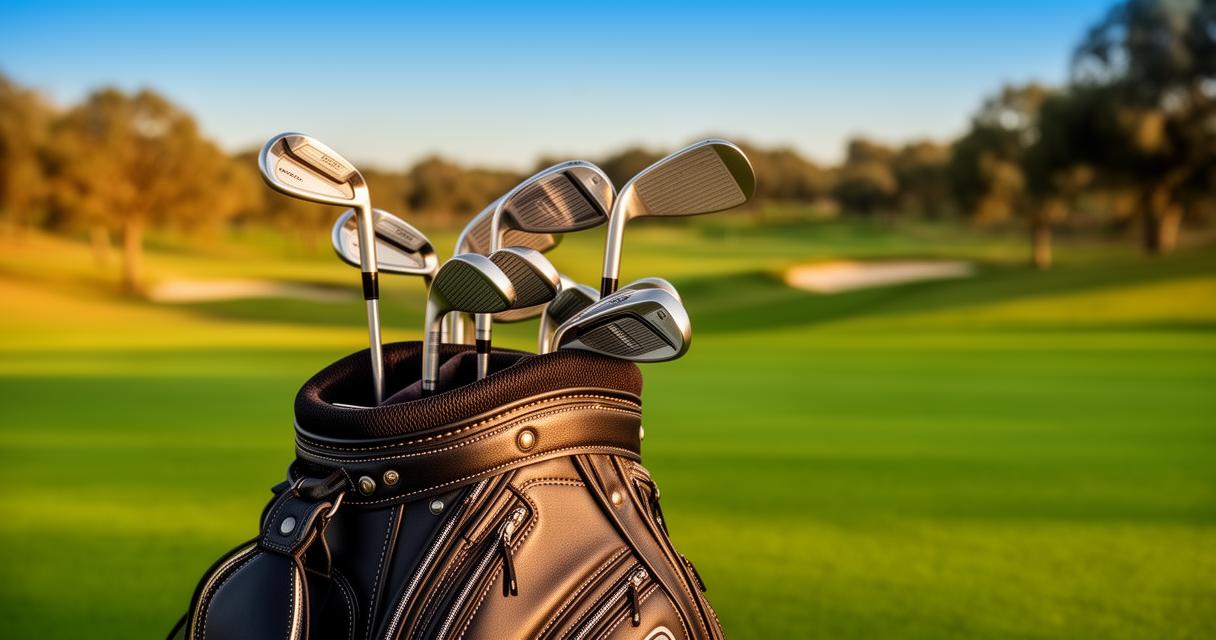
Selecting the appropriate golf clubs can transform your experience on the course, turning a challenging round into a rewarding one. The right equipment not only enhances your comfort and confidence but also plays a pivotal role in refining your technique and achieving consistent results. From the moment you address the ball to the final putt, every club in your bag contributes to your overall performance, making it essential to understand how each piece of equipment aligns with your physical attributes and playing style.
Understanding Golf Club Types and Their Impact on Your Game
Golf clubs come in a variety of forms, each meticulously crafted to serve a distinct purpose during a round. Woods, irons, and putters represent the foundational categories, and each category offers unique characteristics that influence how you approach different shots. Woods, including drivers and fairway woods, are designed with larger heads and longer shafts, allowing you to generate significant power and distance off the tee or from the fairway. Their design is optimised to propel the ball forward with minimal effort, making them indispensable for covering long distances efficiently.
Irons, on the other hand, offer greater precision and control, making them ideal for approach shots and situations where accuracy is paramount. These clubs feature shorter shafts and smaller clubheads compared to woods, enabling you to execute a variety of shots with finesse. Wedges, a subset of irons, are particularly useful for short-range play, helping you navigate bunkers and achieve delicate lob shots around the green. Putters complete the set, designed specifically for rolling the ball smoothly along the putting surface. Their unique design and balance facilitate a controlled, pendulum-like motion that is critical for sinking putts and lowering your score.
Woods, Irons, and Putters: Selecting the Right Club for Each Shot
Choosing the correct club for a given shot requires an understanding of what each type can achieve. Drivers are typically employed on the tee box for maximum distance, while fairway woods serve a similar purpose from the turf. Irons are versatile, with each numbered club offering a different loft and distance capability, allowing you to adapt to varying yardages and course conditions. For instance, a lower-numbered iron like a three or four iron travels further but requires a more skilled swing, whereas higher-numbered irons provide greater loft and are easier to control.
Wedges, including pitching wedges, sand wedges, and lob wedges, are essential when you need to execute high, soft-landing shots or escape from challenging lies. Their elevated loft enables the ball to climb quickly and descend steeply, offering the precision needed for delicate situations. Putters, meanwhile, demand a different approach altogether. The focus shifts from power and distance to touch and accuracy, as you aim to roll the ball into the cup with minimal deviation. Understanding when to deploy each club type is fundamental to strategic play and can significantly influence your overall score.
How Club Loft and Design Influence Distance Control and Ball Flight
The loft of a club refers to the angle of the clubface relative to the shaft, and this angle has a profound effect on both the trajectory and distance of your shots. A driver, with its low loft, launches the ball on a flatter trajectory, maximising roll and distance. Conversely, a pitching wedge with a higher loft sends the ball soaring upward, producing a steeper descent and less roll upon landing. This interplay between loft and flight is crucial for managing how far the ball travels and where it ultimately settles.
Club design extends beyond loft to include factors such as the centre of gravity, clubhead size, and shaft flex. Modern drivers often feature adjustable weights and lofts, allowing you to fine-tune performance based on your swing characteristics. Irons may incorporate perimeter weighting to enhance forgiveness on off-centre strikes, while putters come in various shapes and balance styles to suit different putting strokes. By understanding how these design elements influence ball flight and distance control, you can make informed decisions that align with your playing objectives and course conditions.
Determining the Correct Club Length for Your Height and Swing
Club length is one of the most critical factors in ensuring that your equipment complements your physical stature and swing mechanics. A club that is too long or too short can disrupt your posture, balance, and ultimately your ability to strike the ball cleanly. The correct length allows you to maintain a comfortable and athletic stance, promoting a natural swing path that maximises both power and accuracy. Golfers of all skill levels benefit from clubs that are properly sized, as even minor discrepancies can lead to compensatory movements and inconsistent results.
Height is a primary consideration when determining club length, but it is not the sole determinant. Individual variations in arm length, posture, and swing style also play a role. Therefore, a comprehensive fitting process takes into account multiple measurements and personal preferences. Many retailers and custom fitting services offer detailed assessments to ensure that each club in your set is tailored to your unique requirements, helping you achieve optimal performance on every shot.
Measuring your wrist-to-floor distance for optimal shaft length
One of the most reliable methods for determining the appropriate shaft length is the wrist-to-floor measurement. This measurement is taken by standing upright with your arms relaxed at your sides, then measuring the distance from the point where your wrist meets your hand down to the floor. The resulting figure, typically expressed in inches, provides a baseline that fitting professionals use to recommend adjustments to standard club lengths. This approach accounts for variations in arm length and torso proportions, offering a more personalised fit than relying on height alone.
For example, a golfer who stands at an average height but has longer arms may require slightly longer clubs to maintain proper posture and swing plane. Conversely, someone with shorter arms might benefit from clubs that are trimmed to prevent overreaching and loss of control. The wrist-to-floor measurement serves as a valuable starting point, but it is often combined with dynamic assessments during a fitting session, where you can test different lengths and observe their impact on your swing and ball striking. This comprehensive evaluation ensures that the final selection supports your natural motion and enhances your overall performance.
How proper club length affects your stance and swing mechanics
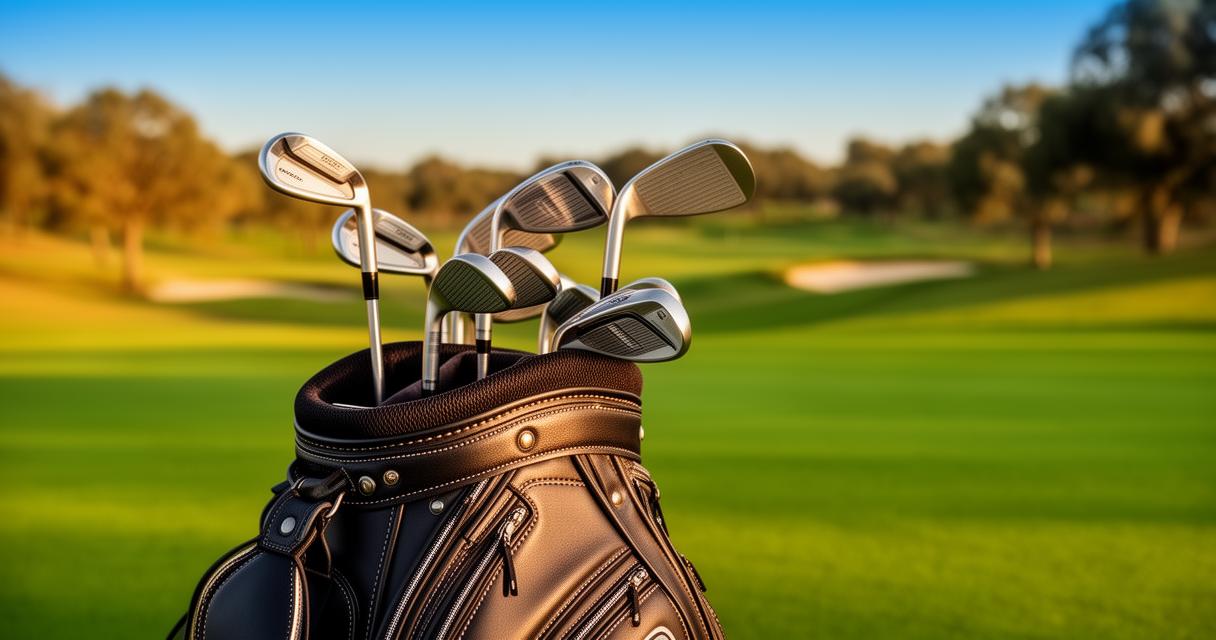
When your clubs are the correct length, your stance becomes more stable and balanced, allowing you to execute a fluid and repeatable swing. Properly fitted clubs enable you to address the ball with your weight evenly distributed, your spine angle neutral, and your arms hanging naturally from your shoulders. This foundation is essential for generating consistent contact and achieving the desired ball flight. If your clubs are too long, you may find yourself standing too upright or reaching awkwardly, which can lead to mishits and erratic shots. On the other hand, clubs that are too short may cause you to hunch over, restricting your rotation and reducing your ability to generate power.
Beyond stance, club length also influences the dynamics of your swing plane and timing. A correctly sized club promotes a natural arc and tempo, allowing you to synchronise your body movements with the motion of the club. This harmony is critical for achieving maximum clubhead speed at impact and transferring energy efficiently to the ball. By investing in clubs that match your physical dimensions and swing characteristics, you set the stage for continuous improvement and greater enjoyment of the game.
Choosing Golf Clubs for Different Players: Juniors, Women, and Beginners
Golf is a sport that welcomes players of all ages and abilities, and equipment manufacturers have responded by developing specialised clubs for juniors, women, and beginners. These clubs are designed with specific characteristics that address the unique needs of each group, ensuring that every player has the opportunity to learn, grow, and succeed. Recognising these differences is essential when selecting equipment, as using clubs that are not suited to a player's size, strength, or skill level can hinder progress and diminish the enjoyment of the game.
For young golfers, including children and teenagers, the focus is on providing clubs that are appropriately scaled to their developing bodies. Lightweight materials, shorter shafts, and flexible designs help younger players generate clubhead speed without excessive effort, fostering confidence and encouraging proper swing mechanics from an early age. Women's clubs, meanwhile, are typically designed with lighter overall weights, more flexible shafts, and grips that accommodate smaller hands, all of which contribute to a more comfortable and effective playing experience. Beginners, regardless of age or gender, benefit from clubs that offer forgiveness and ease of use, helping them build foundational skills and gradually refine their technique.
Selecting Age-Appropriate Clubs for Children and Youth Golfers
When choosing clubs for junior golfers, age and height are the primary factors to consider. Manufacturers often categorise junior clubs into age ranges, such as those designed for children aged five to seven, eight to eleven, and twelve to fourteen. Each category corresponds to a specific range of club lengths, shaft flexes, and weights, all tailored to match the physical capabilities of players within that age bracket. Selecting clubs that align with a young golfer's current stage of development is crucial, as oversized or overly heavy equipment can lead to frustration and poor habits.
In addition to size, the material and construction of junior clubs play an important role. Graphite shafts are commonly used in junior sets because they are lighter and more flexible than steel, making it easier for younger players to achieve a full swing and generate adequate speed. The design of junior clubs also emphasises ease of use, with larger sweet spots and perimeter weighting that help compensate for less consistent contact. As children grow and their skills progress, it is important to reassess their equipment regularly and make adjustments to ensure that their clubs continue to support their development.
Understanding women's club specifications and custom fitting options
Women's golf clubs are specifically engineered to accommodate the biomechanics and physical attributes that differ from the standard male specifications. These clubs typically feature lighter overall weights, shorter lengths, and shafts with increased flex, all designed to optimise performance without requiring excessive strength. The grips on women's clubs are also sized to fit smaller hands, ensuring a secure and comfortable hold throughout the swing. These tailored specifications help female golfers achieve better balance, control, and distance, making the game more enjoyable and accessible.
Custom fitting services are particularly valuable for women, as individual variations in height, swing speed, and playing style can significantly influence the ideal club specifications. During a fitting session, professionals assess factors such as swing tempo, ball flight tendencies, and personal preferences to recommend adjustments in shaft length, flex, loft, and lie angle. This personalised approach ensures that each club in the set is optimised for maximum performance, helping women golfers of all skill levels achieve their full potential on the course. Whether you are just starting out or looking to refine your game, investing in properly fitted equipment is a decision that pays dividends in both enjoyment and results.