

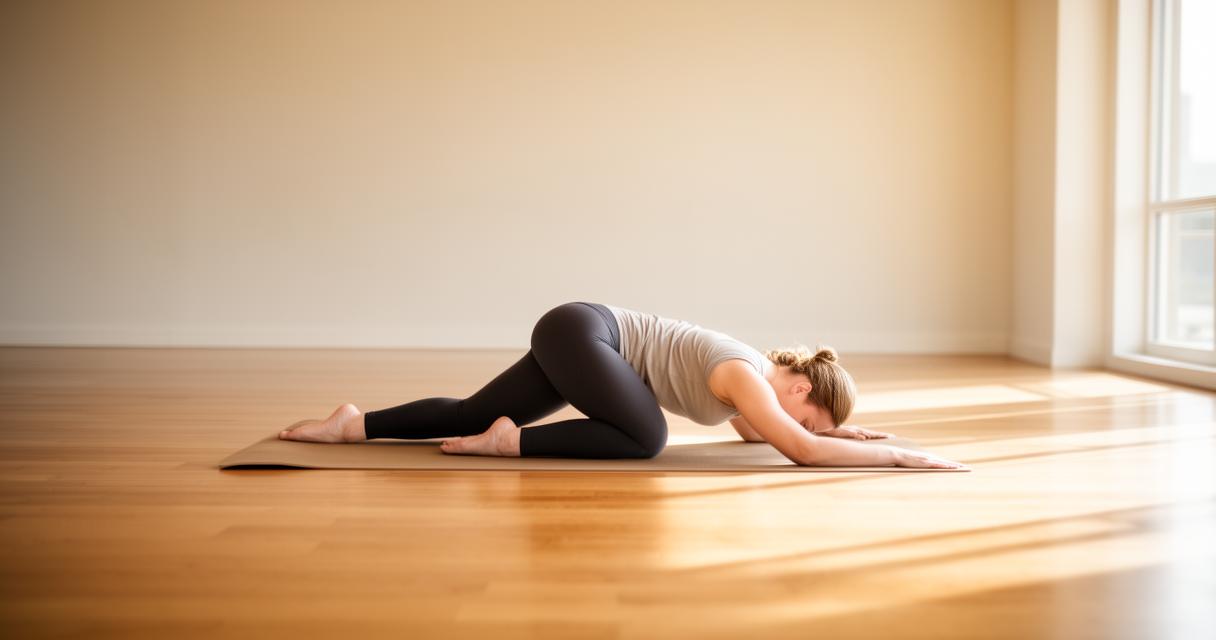
Living with the discomfort of a herniated disc can feel like navigating a never-ending maze of tension and limitation. The sharp twinges and persistent ache that accompany this condition often leave individuals searching for relief that goes beyond medication or invasive procedures. Yoga, with its emphasis on mindful movement and spinal care, has emerged as a powerful tool for those seeking to ease the burden of a slipped disc. By focusing on gentle stretches, controlled breathing, and proper body mechanics, this ancient practice offers a pathway to not only manage pain but also to restore a sense of control and vitality. Recent studies have shown that yoga may help decrease pain intensity and activity limitations for chronic back pain, making it a compelling option for long-term wellness. With careful guidance and a commitment to listening to one's own body, yoga can become an integral part of recovery and ongoing spinal health.
Understanding the Benefits of Yoga for Spinal Health and Disc Recovery
The spine is a remarkable structure, designed to support the body while allowing for a wide range of motion. When a disc herniates, the delicate balance of the vertebrae is disrupted, often leading to pressure on surrounding nerves and tissues. Yoga addresses this issue by promoting alignment and encouraging the muscles around the spine to engage in a supportive manner. Through a series of postures that gently stretch and strengthen, the practice helps to create space between the vertebrae, reducing the compression that contributes to discomfort. This approach not only targets the immediate symptoms but also works to fortify the entire spinal column, making it more resilient against future strain.
How Yoga Alleviates Pressure on the Vertebrae and Sciatic Nerve
One of the most significant ways yoga aids in the recovery from a herniated disc is by relieving the pressure that builds up along the spinal cord and radiates into the sciatic nerve. When the disc bulges or ruptures, it can press against the nerve roots that branch out from the spine, causing sharp pain that travels down the leg. Yoga postures designed to elongate the spine and open the hips work to counteract this compression. By gently stretching the lower back and encouraging a neutral spine position, these movements help to shift the disc away from the nerve, providing much-needed relief. The practice also encourages better circulation to the affected area, which can facilitate the healing process and reduce inflammation. Over time, this consistent attention to spinal alignment can lead to a noticeable decrease in the severity and frequency of pain episodes.
Strengthening the Lumbar and Cervical Regions Through Targeted Practice
Beyond relieving immediate discomfort, yoga offers a long-term strategy for building strength in the lumbar and cervical regions of the spine. These areas are particularly vulnerable to injury and strain, especially when the muscles that support them are weak or imbalanced. Through targeted postures that engage the core, back, and neck muscles, yoga helps to create a stable foundation that protects the spine during everyday activities. Poses that involve gentle backbends, such as Cobra and Locust, work to strengthen the muscles along the spine, while forward folds and twists promote flexibility and range of motion. This dual approach of strengthening and stretching ensures that the spine is both resilient and supple, reducing the likelihood of further injury. Additionally, the practice of holding these postures encourages the development of body awareness, allowing individuals to recognize and correct poor posture habits that may have contributed to the initial disc problem.
Essential Safety Principles and Proper Alignment Techniques for Herniated Discs
While yoga can be a powerful ally in the journey towards healing, it is crucial to approach the practice with caution and respect for the body's limitations. A herniated disc requires a thoughtful and informed approach to movement, as certain postures can exacerbate symptoms rather than alleviate them. Understanding which movements to embrace and which to avoid is the cornerstone of a safe and effective yoga practice for spinal recovery. Proper alignment is not just a technical detail but a fundamental principle that ensures each posture supports rather than strains the spine. By paying close attention to how the body feels during each movement and making necessary adjustments, individuals can cultivate a practice that is both healing and sustainable.
Recognising Which Movements to Avoid and How to Modify Challenging Postures
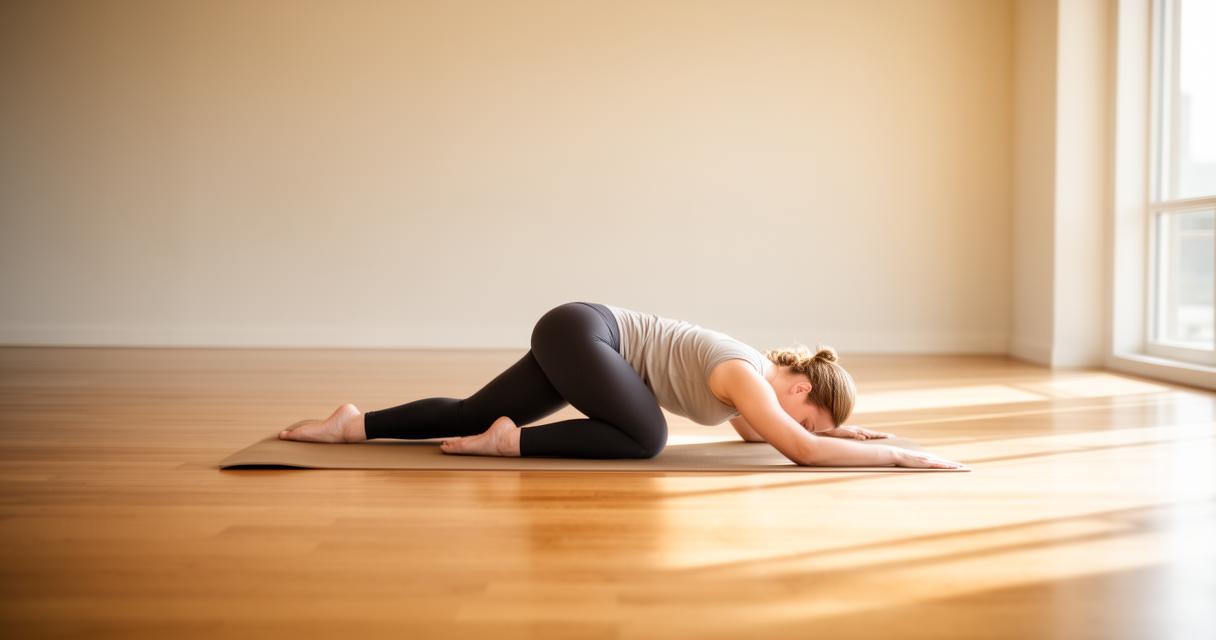
Not all yoga postures are suitable for individuals with a herniated disc, and recognising which movements to avoid is essential for preventing further injury. Poses that involve deep forward bending, such as the Standing Forward Bend or certain variations of Child's Pose, can place additional pressure on the disc and should be approached with caution or avoided altogether. Similarly, movements that require rounding the spine or twisting abruptly can aggravate the condition. Instead, it is advisable to focus on postures that maintain a neutral spine or encourage gentle extension. For example, rather than folding forward deeply, one might perform a modified version with the knees slightly bent, allowing the spine to remain elongated. Using props such as blocks, cushions, or bolsters can also provide support and stability, making challenging postures more accessible and safe. The key is to listen to the body and stop immediately if any movement causes sharp pain or discomfort. Gradual progression is far more beneficial than pushing through pain, as it allows the body to adapt and strengthen without risking further harm.
The Importance of Consulting Experienced Teachers and Building Body Awareness
Embarking on a yoga practice for a herniated disc without proper guidance can be risky, which is why consulting with an experienced yoga instructor is highly recommended. A knowledgeable teacher can assess individual needs, suggest appropriate modifications, and ensure that alignment is correct throughout the practice. They can also design a customised sequence that takes into account the specific location of the herniated disc, whether it is in the lumbar or cervical region, and the severity of symptoms. Beyond the technical aspects, working with a teacher helps to build body awareness, which is a critical component of safe practice. This awareness involves tuning into the subtle signals the body sends during movement, such as tightness, tingling, or discomfort, and responding appropriately. Developing this sensitivity allows individuals to move with intention and care, reducing the risk of injury. Additionally, it is advisable to consult with a medical professional before beginning any new exercise programme, especially when dealing with a condition like a herniated disc. This ensures that the practice is aligned with overall treatment goals and that there are no contraindications to certain movements.
Gentle Yoga Postures and Progressive Practices for Long-Term Relief
Building a sustainable yoga practice for spinal health involves starting with gentle postures and gradually increasing intensity as the body adapts. The goal is not to achieve perfect poses but to cultivate a routine that supports healing and maintains flexibility over time. Simple exercises that focus on breathing, alignment, and controlled movement form the foundation of this approach. As comfort and strength improve, more challenging postures can be introduced, always with an emphasis on maintaining proper form and listening to the body. This progressive strategy ensures that the practice remains both effective and safe, allowing for long-term relief and improved quality of life.
Beginning with Simple Exercises and Utilising Props for Stability
For those new to yoga or dealing with significant pain, beginning with simple exercises is the most prudent approach. Poses such as the Mountain Pose provide an opportunity to establish proper posture and alignment without placing undue stress on the spine. Cat-Cow, a gentle flow between arching and rounding the back, helps to mobilise the spine and relieve tension without forcing any extreme movements. The Sphinx Pose, which involves lying on the stomach and propping the torso up on the forearms, offers a mild backbend that can strengthen the lumbar region while being accessible to most individuals. Utilising props is another effective way to make these postures more comfortable and stable. Placing a cushion under the hips during seated poses or using blocks to bring the floor closer in standing postures can make a significant difference in comfort and safety. These modifications allow the body to experience the benefits of each pose without straining or compensating in ways that could worsen the condition. The emphasis should always be on quality of movement rather than quantity, with each session serving as an opportunity to deepen awareness and build resilience.
Establishing a Regular Routine to Maintain Flexibility and Reduce Discomfort
Consistency is key when it comes to using yoga as a tool for healing a herniated disc. Practising for just a few minutes each day can yield more benefits than sporadic, longer sessions. A regular routine helps to maintain flexibility, strengthen supporting muscles, and reinforce healthy movement patterns. Over time, this daily commitment can lead to a significant reduction in discomfort and an overall improvement in spinal health. Incorporating a variety of poses that target different aspects of spinal care, such as the Downward Dog for overall stretching, the Triangle Pose for lateral flexibility, and the Bridge Pose for strengthening the glutes and lower back, ensures a well-rounded practice. Additionally, integrating gentle spinal twists, such as the Two-Knee Spinal Twist, can help to release tension and improve mobility without placing undue pressure on the disc. The practice should be approached with patience and an understanding that progress may be gradual. Celebrating small improvements, such as increased range of motion or a reduction in pain, can provide motivation and reinforce the benefits of a consistent routine. By making yoga a regular part of daily life, individuals can not only manage the symptoms of a herniated disc but also cultivate a deeper connection to their bodies and a greater sense of overall well-being.