

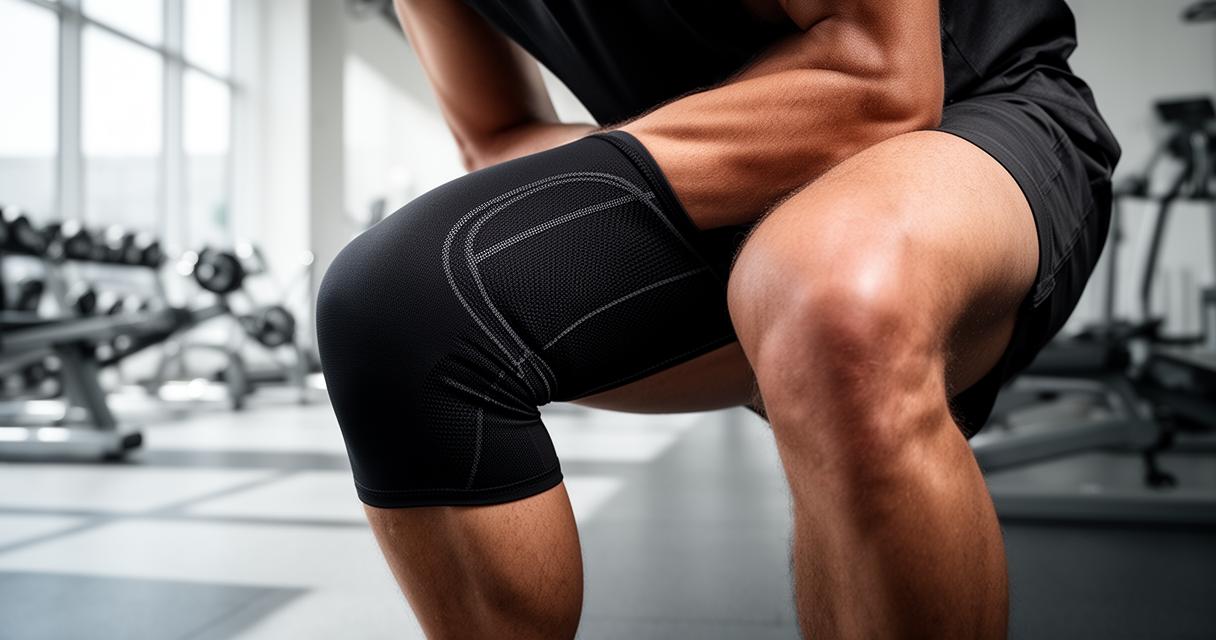
Choosing the right protective equipment for your knees can make all the difference in maintaining comfort and safety throughout a demanding workday. With a wide array of materials and designs available, understanding the specific qualities of each option helps ensure that the knee brace you select truly meets the demands of your trade. From construction sites to warehouse floors, the right knee support can provide pain relief, stability, and lasting protection against the wear and tear of repetitive movements and prolonged kneeling.
Understanding material construction and protective capabilities
The foundation of any effective knee brace lies in its material construction. The choice between hard shell and soft foam protection systems significantly influences the level of defence your knees receive during work activities. Hard shell knee braces are typically constructed from rigid plastic or composite materials that distribute impact forces across a broader surface area. This design proves particularly beneficial for tradespeople who work on unforgiving surfaces such as concrete or tile, where sharp objects and heavy impacts are common hazards. The robust outer shell acts as a shield, preventing direct pressure from reaching the knee joint and reducing the risk of bruising or more serious injuries.
In contrast, soft foam protection systems prioritise flexibility and comfort. These braces utilise dense foam padding, often made from materials such as neoprene or EVA foam, which mould to the contours of the knee. This adaptability makes them ideal for tasks requiring frequent movement and flexibility, such as plumbing or electrical work. While they may not offer the same level of impact resistance as hard shell options, soft foam braces excel in providing cushioning and reducing fatigue during extended periods of kneeling. The choice between these two systems ultimately depends on the nature of your work environment and the specific risks you face on a daily basis.
Evaluating hard shell versus soft foam protection systems
When comparing hard shell and soft foam systems, it is essential to consider the balance between protection and mobility. Hard shell knee braces often feature adjustable straps that secure the brace firmly in place, preventing it from slipping during dynamic movements. This stability is crucial for trades such as carpentry or tiling, where precision and focus are paramount. However, the rigidity of hard shell designs can sometimes restrict natural knee movement, which may be a drawback for tasks requiring a full range of motion.
Soft foam braces, on the other hand, provide a more forgiving fit that accommodates the natural flexion and extension of the knee joint. Many modern designs incorporate gel inserts or layered foam to enhance shock absorption without compromising on comfort. These braces are particularly popular among tradespeople who spend long hours on their knees, as they reduce pressure points and distribute weight more evenly. The trade-off, however, is that soft foam materials may wear out more quickly than hard shell alternatives, especially in environments with abrasive surfaces or exposure to harsh chemicals.
Assessing Durability Through Quality of Materials and Stitching Standards
Durability is a critical factor when selecting a knee brace for professional use. The quality of materials and stitching standards directly impacts how long the brace will last under continuous strain. High-quality knee braces often feature reinforced stitching along stress points, such as strap attachment areas and seams, which prevents premature tearing and separation. Look for double or triple-stitched seams, which indicate a commitment to longevity and reliability.
The materials themselves also play a significant role in determining durability. Neoprene, for instance, is a popular choice for compression sleeves and soft foam braces due to its resilience and resistance to moisture. It maintains its shape and supportive properties even after repeated use and washing. For hard shell braces, polycarbonate or high-density polyethylene are preferred materials, as they can withstand significant impact without cracking or deforming. Additionally, the quality of fasteners, such as buckles and Velcro straps, should not be overlooked. Robust, corrosion-resistant hardware ensures that the brace remains secure and functional throughout its lifespan.
Comfort and Fit Considerations for Extended Wear
Comfort is paramount when it comes to knee braces designed for extended wear. A brace that causes discomfort or restricts blood flow can quickly become a hindrance rather than a help, leading to reduced productivity and potential health issues. The key to achieving optimal comfort lies in selecting a brace with appropriate padding thickness and breathability features. Thicker padding generally offers better cushioning, which is beneficial for heavy-duty tasks. However, excessive padding can lead to overheating and discomfort, particularly in warmer climates or during physically demanding activities.
Breathability is another crucial aspect to consider. Knee braces constructed with moisture-wicking fabrics or ventilated designs help regulate temperature and reduce sweat accumulation. This is especially important for tradespeople who work in hot environments or engage in strenuous activities. Materials such as mesh panels or perforated neoprene enhance airflow, keeping the skin dry and reducing the risk of chafing or skin irritation. Investing in a knee brace that prioritises both cushioning and ventilation ensures that you remain comfortable and focused throughout the workday.
Analysing padding thickness and breathability features
Padding thickness varies significantly across different knee brace models, and understanding the implications of this variation is essential for making an informed choice. Thicker padding, typically ranging from ten to twenty millimetres, provides superior shock absorption and is well-suited for tasks involving prolonged kneeling on hard surfaces. This type of padding is commonly found in braces designed for flooring installers, tilers, and construction workers. The dense cushioning helps to distribute pressure evenly, reducing the strain on the patella and surrounding soft tissues.
Thinner padding, on the other hand, offers greater flexibility and is often preferred by tradespeople who require a full range of motion. Braces with thinner padding are ideal for tasks that involve frequent transitions between kneeling, standing, and walking, such as plumbing or HVAC work. While they may not provide the same level of cushioning as thicker options, they excel in maintaining a close fit that does not impede movement. Breathability features, such as mesh inserts or perforated materials, are particularly beneficial in these designs, as they prevent the buildup of heat and moisture during extended use.
Determining Proper Sizing and Compatibility with Work Trousers
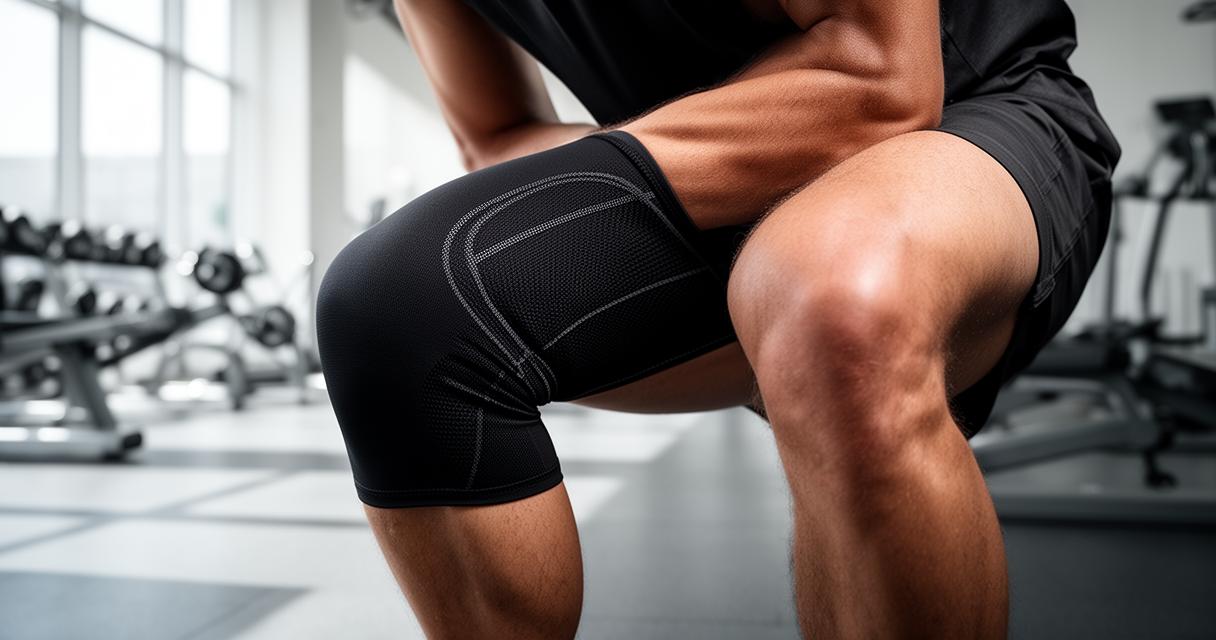
Achieving the right fit is essential for maximising the effectiveness and comfort of a knee brace. An ill-fitting brace can slip out of position, fail to provide adequate support, or cause discomfort that distracts from the task at hand. Most manufacturers provide detailed sizing charts based on measurements of the circumference of the knee and thigh. Taking accurate measurements and consulting these charts ensures that you select a brace that fits snugly without restricting circulation or causing pressure points.
Compatibility with work trousers is another important consideration, particularly for tradespeople who wear specialised workwear with built-in knee pad pockets. Many modern work trousers are designed to accommodate removable knee pads, allowing for easy insertion and removal of protective inserts. When selecting a knee brace for use with such trousers, it is important to choose a model that fits securely within the pocket without excessive bulk. Low-profile designs are ideal for this purpose, as they provide protection without creating uncomfortable lumps or restricting movement. Conversely, if you plan to wear the knee brace over your trousers, opt for a model with adjustable straps that can be tightened to ensure a secure fit.
Practical selection criteria for your specific trade requirements
Selecting the best knee brace for your trade involves more than just evaluating materials and comfort features. It requires a thorough understanding of the specific demands of your work and how different brace designs address those needs. Consider the nature of your daily tasks, the surfaces you work on, and the duration of time spent kneeling. For instance, tradespeople engaged in heavy-duty tasks such as roofing or bricklaying benefit from hard shell braces with robust construction, while those in lighter-duty roles such as gardening or painting may find soft foam braces more suitable.
Value for money is another critical factor to weigh when making your decision. Prices for knee braces can vary widely, ranging from as little as fifteen pounds to over two hundred seventy pounds for advanced models. While it may be tempting to opt for the least expensive option, investing in a higher-quality brace often pays dividends in terms of durability, comfort, and long-term protection. Customer reviews on platforms such as Amazon provide valuable insights into the real-world performance of different models, highlighting both strengths and potential drawbacks. Pay attention to feedback regarding comfort during extended wear, durability under heavy use, and ease of adjustment, as these factors are crucial for ensuring that the brace meets your expectations.
Comparing value for money across different price points
When evaluating value for money, it is important to consider the cost in relation to the features and benefits offered by each knee brace. Entry-level models, typically priced between fifteen and thirty pounds, often provide basic protection and comfort suitable for light-duty tasks or occasional use. These braces are a practical choice for tradespeople who require knee support on an intermittent basis or for those just starting out in a physically demanding trade. However, they may lack the advanced features and durability found in higher-priced models.
Mid-range knee braces, priced between thirty and eighty pounds, strike a balance between affordability and performance. These braces often incorporate enhanced materials, such as reinforced stitching and moisture-wicking fabrics, which contribute to greater longevity and comfort. They are well-suited for tradespeople who work consistently in conditions that place moderate strain on the knees. Premium models, which can exceed eighty pounds and reach upwards of two hundred seventy pounds, are designed for professionals who demand the highest level of protection and support. These braces often feature advanced technologies, such as adjustable hinges, multi-layered padding, and breathable mesh panels, making them ideal for intensive use in challenging environments.
Interpreting Customer Reviews and Suitability for Various Work Activities
Customer reviews serve as a valuable resource for assessing the suitability of a knee brace for specific work activities. Reading through feedback from other tradespeople provides practical insights that go beyond manufacturer specifications. Common themes in reviews, such as comments on comfort during extended wear, ease of cleaning, and effectiveness in preventing knee pain, help paint a clearer picture of how a brace performs in real-world scenarios. Pay particular attention to reviews from users who work in trades similar to your own, as their experiences are likely to be most relevant to your needs.
Suitability for various work activities is another important consideration. Some knee braces are designed with specific trades in mind, offering features tailored to the unique demands of those professions. For example, braces intended for flooring installers often feature hard shell caps with extra-wide surface areas to distribute weight evenly, while those for gardeners may prioritise flexibility and lightweight construction. By matching the features of a knee brace to the requirements of your trade, you can ensure that your investment provides optimal protection and comfort, helping you to maintain productivity and safeguard your long-term health.